
The cupboard under the kitchen sink is where many homes keep their cleaning products. It is also at the perfect height for a curious toddler. Bleach, detergents and other cleaners can cause harm if a child gets hold of them. A few simple changes to how you store them can make a real difference.
This article looks at storing chemicals and medicines safely in kitchen and laundry cabinets. It draws on advice from HealthyWA and Product Safety Australia. The ideas also help when you are planning new cabinetry. Good storage is easier to build in from the start than to add later.
Why young children are most at risk
According to HealthyWA advice on preventing poisoning, hundreds of people need medical attention each year for poisoning from common household products. Around 65 per cent of the victims of unintentional poisoning are children. Children aged one to three are most at risk. That is the age when many start climbing, opening doors and putting things in their mouths.
Adults are not immune either. HealthyWA notes that adult poisonings often involve medication errors. Taking too much paracetamol and ignoring the dose instructions is one example. Good storage habits help everyone in the house, not just the little ones.
What counts as a household poison
Many products in a typical kitchen or laundry fall into this group. HealthyWA lists bleaches, detergents and pool products among common household poisons. Health and beauty items such as mouthwash, nail polish remover and hair dye are on the list too. All types of batteries, including button batteries, are included as well.
Medicines are a big part of the picture. That covers prescription and over the counter medicines, plus herbal and veterinary products. The shed and garage hold another set of risks. Rat baits, weed killers, paints, thinners and petrol all need the same care.
Laundry capsules need extra care
Laundry capsules are a product many families now use. Product Safety Australia warns that their bright colours and small size can make them look like sweets. A capsule can burst in a child’s hand with little pressure. It can also burst in a child’s mouth in as little as ten seconds.
Swallowing the detergent can cause severe vomiting, coughing and breathing problems. Contact with the eyes can cause pain or irritation, and skin contact can cause chemical burns. Between April 2011 and February 2015, more than 280 incidents involving children aged six or under were reported nationally. The laundry capsule safety advice is worth reading if you keep them at home.
The advice is to keep capsules in their original container and close the lid after every use. Store them up high, out of reach and sight of children. If they live in a lower cupboard, secure it with a child resistant lock. Avoid using capsules while children are close by, and never let them handle one.
Setting up kitchen and laundry cupboards
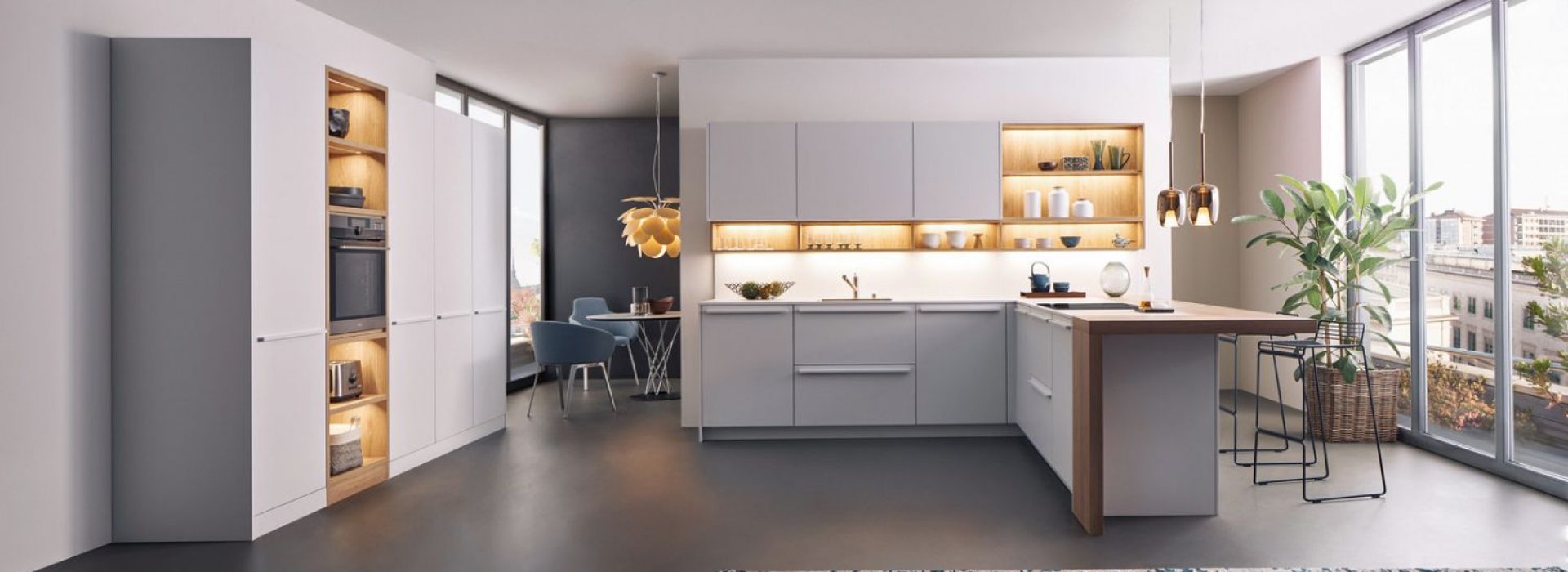
Height is the simplest form of protection. Moving chemicals from under the sink to an overhead cupboard puts them out of easy reach. If you are planning new cabinets, consider a high cupboard set aside just for cleaning products. Our article on how storage units can simplify your space has more ideas for organising the room you have.
Where products have to stay low, child resistant locks are the next step. HealthyWA recommends fitting them to every door where poisons or medicines are stored. Latches that sit inside the door are an option if you prefer a clean look. Test each lock once it is fitted to check it holds firm.
Keep chemicals well away from food. HealthyWA advises storing poisons separately from food products. A dedicated laundry cupboard or a shelf well away from the pantry works well. Avoid the space beside your cereal and spreads, even if it is convenient.
Good habits that make storage work
Even the best cupboard only helps if things go back into it. Unpack shopping bags straight away so new products are not left on the bench. Tightly close and put away chemicals and medicines after each use. Check every room in the house for products that could be poisonous.
Never move a chemical into a different container. HealthyWA warns against using drink or food containers for poisons, as mistakes often happen with soft drink bottles. Keep everything in the original packaging with its label. The label tells you what is inside and how to use it.
Medicines need their own routine. Do not take medicines in front of children, and never call them lollies. Read the label before giving any medicine and only use it as directed. Return expired or unwanted medicines to your local chemist for disposal.
Child safety beyond the cupboard
Chemical storage is one part of a safer home. Pool chemicals need a secure spot, and the pool itself needs proper barriers. Our guide to making sure your pool fence meets WA safety requirements covers that side of things. Garden sheds deserve the same attention as the kitchen, since baits and weed killers are often kept there.
Pets can get into cleaning products too. If you have animals at home, the same rules about height and closed lids make sense. Our carpet care and cleaning advice for pet owners looks at keeping floors clean with pets around. Read the label of any cleaner before using it where pets sleep or play.
Some families also use cameras to keep an eye on busy areas of the home. Our post on the benefits of home security cameras explains how they can help. A camera is no replacement for locks and good storage, though. Think of it as one extra layer of awareness.
What to do if someone swallows a poison
If a person has collapsed or stopped breathing, call an ambulance straight away. If you think someone has come into contact with a poison, contact the Poisons Information Centre, which runs 24 hours a day. You can also see your doctor or go to an emergency department. If a child puts a laundry capsule in their mouth, rinse their mouth and face well and do not try to make them vomit.
Frequently asked questions
Where should I store cleaning products if I have a toddler?
Store them up high, out of reach and sight of children. If they must stay in a low cupboard, fit a child resistant lock. Keep them in their original containers with the lids closed. Store them away from food.
Why are laundry capsules a particular risk?
Their bright colours and small size can make them look like sweets. They can burst with little pressure or dissolve quickly in a child’s mouth. Swallowing one can cause vomiting and breathing problems. Keep them high and locked away.
Can I keep chemicals in an old drink bottle?
It is best never to move chemicals out of their original container. HealthyWA warns that mistakes often happen when poisons are put in drink bottles. The original label tells you what the product is. It also keeps the directions for use with the product.
What should I do with old medicines?
Return expired or unwanted medicines to your local chemist for disposal. Do not leave old medicines sitting in a drawer or bathroom cabinet. Clearing them out regularly means fewer risks in the home. Check the dates when you do your next big clean.
This article is general information only and is not medical advice. If you are worried about a possible poisoning, speak with a doctor or qualified health professional straight away.