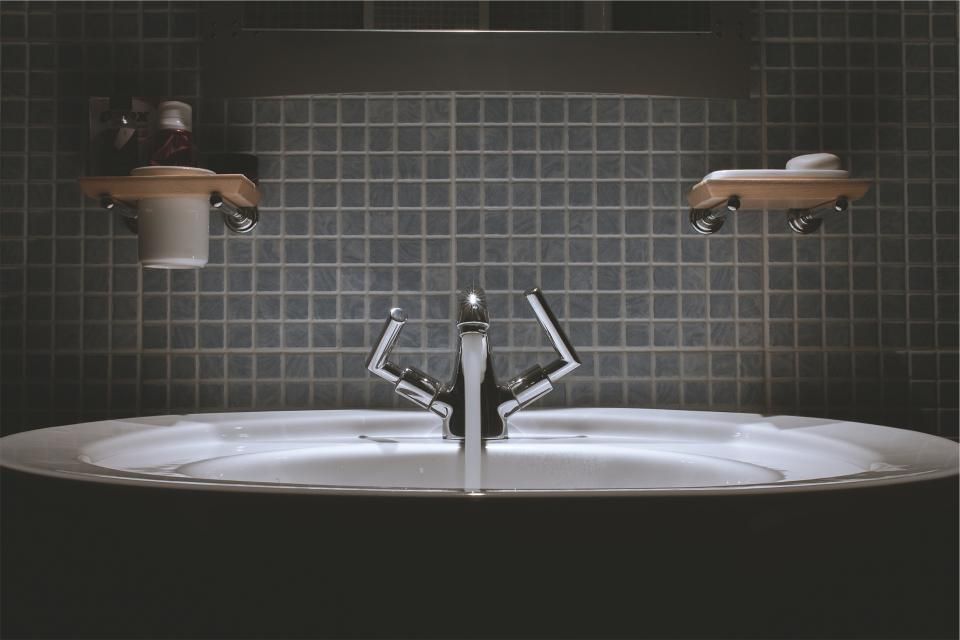
A bathroom renovation is a good time to rethink how much water your home uses. The shower, the basin tap and the toilet all get used every single day. Swapping them for more efficient models can trim your bills for years. The easiest way to compare them is the star label on the box.
That label comes from the Water Efficiency Labelling and Standards scheme, usually called WELS. It applies across Australia and covers the plumbing products most bathrooms rely on. Once you know how to read it, choosing fixtures gets a lot simpler. Here is what the label tells you and how to use it when you plan your new bathroom.
What the WELS scheme covers
WELS is a cooperative arrangement between the Commonwealth and the states and territories. It was set up under the federal Water Efficiency Labelling and Standards Act 2005. Western Australia has its own matching law, the Water Efficiency Labelling and Standards Act 2006. The WA Department of Water and Environmental Regulation explains the scheme for local households and trades.
The scheme covers showers, taps, flow controllers, toilets and urinals. It also covers dishwashers, washing machines and combination washer dryers. Taps fitted over a bath are excluded. Every regulated product must be registered and labelled when it is offered for sale.
How to read the water rating label
The label has three parts. The star rating sits at the top, and more stars means the product uses water more efficiently. The middle section shows how much water the product actually uses. The bottom shows the company that registered the product, its licence number and the standards used for testing.
The water use figure is measured differently for each product. Showers and taps are rated in litres per minute. Toilets show litres per average flush, plus separate figures for the full and half flush. Dishwashers and washing machines show litres per wash along with their load capacity.
Stars give you a quick comparison at a glance. The litres figure then tells you how much water you can expect to use. Checking both gives you a clearer picture before you buy. The WELS scheme also says the label or text advice must be shown with products both in store and online.
Star ratings for bathroom fixtures
Not every product type goes up to the same number of stars. Taps and toilets can reach six stars. Showers top out at five stars. In the laundry, washing machines also reach five, while dishwashers in the kitchen can reach six.
So a five star shower is at the top of its scale, while a five star toilet is not. Keep that in mind when you compare quotes or browse a showroom. A higher rating within each product type is the thing to look for. It is a simple check that takes seconds on the box or the product listing.
Why the choice matters over time
Plumbing fixtures are not something most people replace often. The WELS water rating scheme notes that plumbing products are often used for more than ten years. That means the tapware and toilet you pick now will shape your water bills for a long time. A little care at the planning stage pays off well after the tiles are grouted.
The scheme estimates that a household of four can save over $170 on bills by choosing efficient products. Across Australia, WELS is estimated to have saved 2,060 gigalitres of water since it began in 2006. It also estimates savings of $16.7 billion in water and energy bills over that time. Energy comes into it because less hot water through the shower means less water to heat.
Planning fixtures with the rest of your bathroom
Water efficient fixtures work best when they are planned with the rest of the room. The shower head, mixer and screen all need to suit each other. If you are still choosing a screen style, our guide to frameless shower screens covers the pros and cons. A good layout keeps water where it belongs and makes cleaning easier.
Vanity storage is worth thinking about at the same stage. The basin mixer is often chosen together with the vanity top and cabinet. If you are updating cabinetry elsewhere in the home, the choice between refacing or replacing kitchen cabinets raises similar questions about budget and lifespan. Planning both rooms together can make the trades easier to schedule.
Many people renovate the kitchen and bathroom in the same project. The kitchen tap and dishwasher are covered by WELS too, so the same label check applies there. Finishes like stone cladding for kitchen renovations can sit alongside efficient tapware with no loss of style. Keeping one consistent look through both rooms often makes the home feel more connected.
Checking a product before you buy
The WELS website has a product database you can search before you buy. You can look up a product by brand, model name or registration number. The scheme says products missing from the database are not registered. Their water rating information may be false or misleading.
This check is handy when a deal looks too good or a product is sold online without a clear label. A product that is not in the database may not meet Australian standards. Ask your plumber or supplier for the model number early, so you can look it up yourself. It is far easier to change your mind before a fixture is installed than after.
Builders and trades have duties under the scheme as well. The WA government notes that anyone who supplies or installs regulated products in a renovation must meet the same requirements as a retailer. That gives you a fair basis for asking your installer about the ratings of what they supply. A good tradesperson will be happy to show you the label.
Saving water outside the bathroom
The same thinking carries through to the rest of the home. Kitchen taps and dishwashers are rated, and so are washing machines in the laundry. Outside, the garden has its own water needs. Our landscaping tips cover planning a garden that suits your block and your time.
The WELS site also points to the Smart Approved WaterMark for outdoor products. It certifies items such as drip irrigation, soil wetters and rain gauges. Your water utility’s website may have extra savings tips as well. Its address is printed on your water bill.
Frequently asked questions
Do all taps need a WELS label?
Most taps sold in Australia must be registered and labelled under WELS. Taps fitted over a bath are excluded from the scheme. Showers, toilets and flow controllers are covered too. If you are unsure, search the WELS product database.
How many stars can a shower have?
Showers are rated up to five stars. More stars means more efficient water use. The label also shows the flow in litres per minute. Compare both figures when choosing.
What does a toilet label show?
A toilet label shows litres per average flush. It also lists the full flush and half flush figures. Toilets can be rated up to six stars. As with other products, more stars means better water efficiency.
Do installers have to follow the scheme?
Anyone who supplies or installs regulated products in a renovation has the same obligations as a retailer. That includes plumbers and builders. Ask for the model numbers of everything being fitted. You can then check each one on the WELS register.
A bathroom renovation only comes around every so often. Choosing well rated fixtures is a small step that keeps paying back. Check the stars, read the litres figure and confirm the registration before anything goes in the wall.